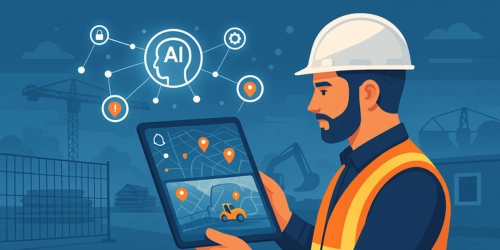
Anyone who's worked in construction knows how time-consuming and stressful the audit process can be. When you're relying on manual processes instead of automated workflows and centralized jobsite data, you're digging through disconnected spreadsheets and searching email threads to find timestamped evidence that proves compliance when auditors arrive unannounced.
The problem isn't just wasted time; it's the stress of knowing that one missing log could trigger OSHA citations ranging from $16,500 to $165,000, or the risk that poor record-keeping can cause you to fail an EPA inspection when you can't show continuous environmental monitoring reports throughout the project lifecycle.
The answer? Digital tools that ease audit prep and cut reporting time in half. By automating data collection, centralizing evidence logs, and generating audit-ready reports in minutes, these platforms transform tedious manual tasks into a streamlined workflow, so you're never caught off guard again.
If your current systems create vendor sprawl and increase the risk of non-compliance, then this article is for you. You'll learn how these advanced technologies give you instant access to live jobsite data without the manual effort.
How Digital Tools Streamline Audit Preparation in US Construction
The move toward digital tools and artificial intelligence (AI) addresses the main challenges that make manual audit preparation so frustrating: not knowing what's happening on jobsites in real-time, hours lost piecing together reports, and important evidence buried across disconnected systems.
Real-time visibility
Digital monitoring systems provide instant access to important compliance data across every inch of your jobsite. Instead of waiting days or weeks for safety reports or reviewing hours of surveillance footage after incidents occur, project managers can see live jobsite conditions as they happen.
Mobile surveillance systems with cloud connectivity transmit footage directly to AES256-encrypted platforms, which are accessible from any device. When OSHA inspectors question whether proper PPE protocols were followed on a specific date, you can retrieve time-stamped video evidence in seconds rather than scrambling through spreadsheets and hand-written files.
Environmental monitoring solutions track air quality (PM1, PM2, PM10, CO₂, VOCs), noise levels (30-130 dB), and weather conditions (temperature, humidity, wind speed) in real-time. They automatically log thousands of hourly data points and store up to 180,000 timestamped logs to prove regulatory compliance.
Then there's AI-powered smart detection that covers intrusions, PPE, and smoke/fire monitoring. Using AI-video analytics and intelligent software, these systems watch jobsites continuously and alert managers instantly when something is off. This can include unauthorized entry into restricted areas, workers missing PPE gear during demolitions, or even the thinnest smoke trail that could signal a developing fire hazard.
At the end of the day, this real-time visibility proves proactive risk management. When air quality readings approach EPA thresholds or noise levels near OSHA's exposure limits (90 dB for an 8-hour workday), automated alerts trigger corrective action before violations occur and generate timestamped reports instantly.
Read more:
-
The Rise of Smart Construction Jobsites: How Tech Is Transforming the Industry
-
Benefits of Mobile Surveillance for Construction Jobsite Security
Automated workflows
There's no denying that manual compliance reporting eats hours into your day, especially when you're cross-checking reports from multiple vendors and disconnected systems. Digital tools automate workflows, eliminating repetitive tasks that drain productivity and carry the risk of human error.
AI-powered platforms automatically generate occupational injury logs and PPE reports that satisfy OSHA requirements. Environmental monitoring sensors compile months of air quality, noise, and weather readings into exportable logs for EPA submissions. Smart detection systems flag intrusions and/or fire hazards, creating incident logs with corresponding video evidence and location timestamps.
These automated workflows maintain continuous monitoring without manual intervention. Instead of staying up late before an audit, you can access pre-generated reports covering every regulatory requirement in just a few clicks. This cuts reporting time in half, allowing you to focus on what really matters: delivering projects on time and within budget.
Read more: Vendor Sprawl in Construction IT: Why Consolidated Monitoring Matters
Secure cloud storage
Did you know you need to keep compliance records for at least 5 years? And that various data protection laws, like the California Privacy Rights Act (CPRA), mandate secure data handling and storage when surveillance is in place? Failure to comply can lead to costly fines, project delays, and even jail time.
Storing this evidence using traditional methods (fragmented systems, physical files, local servers) creates compliance risks and can result in data being lost and security breaches.
Digital compliance platforms offer secure cloud storage that centralizes all evidence in audit-ready formats. AES256 end-to-end encryption protects sensitive worker data to meet CPRA requirements (applicable to California) while NDAA-compliant systems ensure federal contractors avoid restricted surveillance equipment that could jeopardize government projects.
Secure cloud storage eliminates the risk of lost documentation. When audit professionals arrive and want reports from 2 years ago, you can pull up timestamped evidence instantly rather than searching through boxes of archive files. This automated approach reduces compliance mishaps while drastically cutting down the time spent on internal audit/inspection prep.
Read more: How Can Construction Jobsites Adapt To Digital Transformation
7 Digital Tools that Cut Audit Prep Time in Half
Modern compliance tools bring together multiple monitoring technologies that automate data collection, so you're always audit-ready, no matter the time of day the audit firm surprises you:
1. Smart surveillance
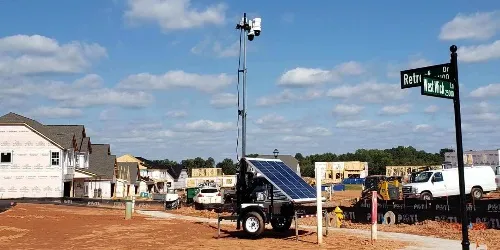
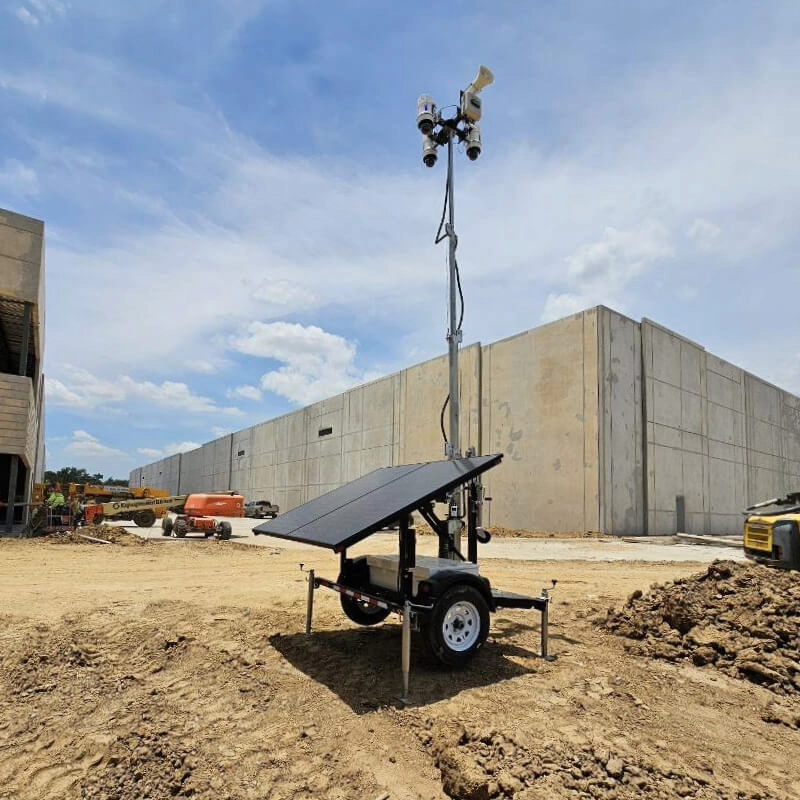
Mobile Surveillance Trailers, standing up to 20-feet tall, and Pole Cameras provide near-360° visibility across entire working zones. These "eyes in the sky" capture live jobsite footage via PTZ (Pan-Tilt-Zoom) cameras, including safety protocols, theft incidents, and compliance with jobsite-specific requirements.
When something suspicious is picked up on one of the surveillance cameras, you'll receive instant notifications about what's happening on-site. Logging every incident with precise timestamps and audit-ready reports, these intelligent surveillance solutions are fast becoming a business necessity.
Read more:
2. Live remote monitoring
Professional live monitoring helps prevent crime before it starts. This is because surveillance systems are connected to monitoring centers where trained personnel review footage in real-time. Here, operators assess the situation and initiate immediate action when incidents occur (safety breaches, PPE violations, environmental hazards), such as:
-
Live audio voice-down challenges
-
Blue strobe light activation
-
Dispatch of mobile security teams
-
Law enforcement notification as needed
The system timestamps every incident, making it easy to review and retrieve data for internal audits, insurance claims, law enforcement inquiries, and other regulatory obligations. This ensures audit readiness in a matter of clicks.
3. AI-video analytics
This much is true: construction project managers cannot be everywhere at once, especially when managing multiple jobsites. That's where AI-video analytics comes in, easing that pressure and becoming your "eyes and ears" on-site.
By continuously analyzing surveillance footage, AI-enhanced systems use machine learning to distinguish between genuine threats and false alarms caused by weather or debris. They also notice unusual patterns that might indicate unauthorized access or criminal activity and instantly document every incident in real-time.
This smart analysis and audit automation gives jobsite managers complete oversight with full evidence-backed paper trails for compliance purposes.
4. Smart detection systems
Smart detection systems are other digital tools making waves in the construction industry. Using PTZ cameras and AI-video analytics, they identify specific compliance risks without requiring human oversight.
-
Intrusion detection alerts teams to unauthorized access.
-
PPE monitoring flags workers missing safety equipment.
-
Smoke and fire detection pinpoints the earliest stage of smoke or flames.
Every intrusion, PPE mishap, and fire hazard is recorded, time-stamped, and logged, providing you with everything you need for external audits or when stakeholders request proof, raise concerns, or need clarity on what happened and when.
Read more: Why Video Analytics is Best for Smoke and Fire Detection
5. IoT-based environmental solutions
Project managers no longer need to perform manual foot patrols to maintain environmental compliance, because IoT-based environmental monitoring sensors (with instant reporting) do the job for you:
-
Air quality sensors track fine particulate matter (PM1, PM2, PM10), CO₂, VOCs, and other air-borne pollutants and gases in real-time. The system automatically alerts project managers well before jobsite conditions approach EPA thresholds under the National Ambient Air Quality Standards (NAAQS) of the Clean Air Act (CAA).
-
Noise monitoring sensors continuously monitor construction noise across a wide decibel (30-130 dB) and frequency (20Hz to 12.5kHz) range. These sensors help you stay accountable, reduce liability, and protect both workers and your reputation with easy-to-access data and automated reports.
-
Weather monitoring stations provide real-time insights into temperature, wind speed, humidity, and rainfall across all your construction jobsites at transmission distances of up to 328 feet. They transmit data wirelessly, supporting better planning, safety, and compliance across various industries.
Read more:
-
How IoT Improves Both Safety and IT Overview on Construction Jobsites
-
Air Quality Data Management: Turning Sensor Data Into Actionable Insights for Jobsites
6. Intelligent integrations
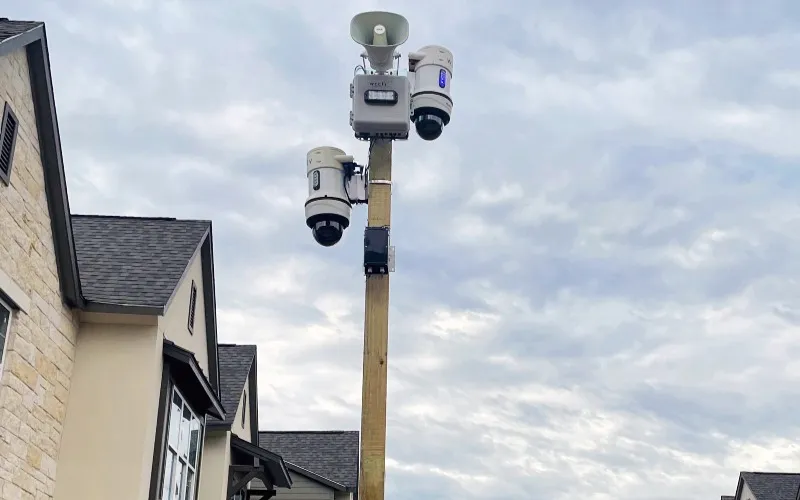
Taking security, jobsite visibility, and data consistency a step further, specialized integrations add another layer of compliance across your operations. These add-ons integrate seamlessly with our Surveillance Trailers or Pole Cameras, helping to eliminate the gaps that come with juggling separate tools:
-
Licence Plate Recognition (LPR) logs all vehicles entering/exiting building jobsites with timestamped access control records for accountability.
-
Time Lapse Video condenses days/weeks worth of construction into a single video clip, showing project progress from start to finish.
7. Stellifii
Stellifii, our cloud-based platform, consolidates surveillance footage, environmental data, smart detection alerts, and incident reports into a single dashboard. Instead of manual data entry from disconnected systems and vendors, you can access everything in one place.
Powered by industry-approved infrastructure, Stellifii uses AES256 encryption and NDAA-compliant components, giving you instant access to HD footage and full PTZ controls with no configuration required.
Automated reporting capabilities generate OSHA, EPA, and industry-specific documentation in minutes, with exports up to 5X faster than legacy systems. This streamlined process reduces manual errors, cuts administrative tasks in half, and ensures audit readiness at the click of a button.
Read more: Stellifii: Our New Smart Platform Transforming Surveillance, Safety, and Compliance
5 Benefits of Real-Time Visibility for Construction Audits
Here are 5 ways digital compliance tools directly address audit preparation challenges in US construction:
1. Simplified audit process
Centralized platforms like Stellifii cut manual processes in half. Everything, from surveillance to PPE compliance, exists in one location with searchable timestamps, making it easy to retrieve documentation when external auditors arrive unannounced.
2. Improved compliance
Automated monitoring maintains continuous logs that prove regulatory due diligence without manual data entry. Environmental sensors track air quality, noise, and weather in real-time. Smart detection systems deliver risk management insights, and real-time alerts enable preventative and corrective action long before violations occur.
3. Boosts efficiency and productivity
Real-time data collection frees project managers and their teams from tedious tasks. Manual foot patrols are no longer needed to ensure compliance, as the real-time visibility provided by smart surveillance systems handles this automatically. This means you can reallocate resources to more important work, ultimately boosting productivity with far less effort.
By reducing time spent on routine checks and manual data entry, teams can focus on higher-value activities that keep projects moving,
4. Cost and time savings
Digital tools cut audit preparation time in half by automating compliance documentation that previously required days of manual work. They also eliminate countless hours spent searching for files, compiling reports, and cross-referencing data across multiple systems.
Apart from the direct labor cost savings, automated workflows reduce the risk of OSHA penalties and can even reduce your monitoring expenses by up to 88%.
5. Enhanced safety and risk management
Continuous monitoring transforms reactive responses into proactive risk management. When systems detect potential hazards (PPE violations, unsafe weather conditions, etc.), automated tools trigger immediate notifications that allow for corrective action. This real-time visibility drastically reduces risks to workers, directly impacting OSHA outcomes during inspections.
Ease Audit Prep the Smart Way
Manual compliance through spreadsheets and fragmented systems is time-consuming to say the least, and can lead to costly compliance breaches should crucial details slip through the cracks.
Digital tools address these issues head-on by automating evidence collection, centralizing audit-ready reports, and maintaining regulatory compliance in line with OSHA, EPA, and ESG standards.
With over 20-years of expertise in wireless monitoring, we provide fully-managed advanced technologies that ease audit prep for your jobsite and cut reporting time in half.
Stop scrambling through disconnected systems for external audits. Simplify the audit process the smart way: the WCCTV way. Contact our team to discuss how Stellifii can help today.