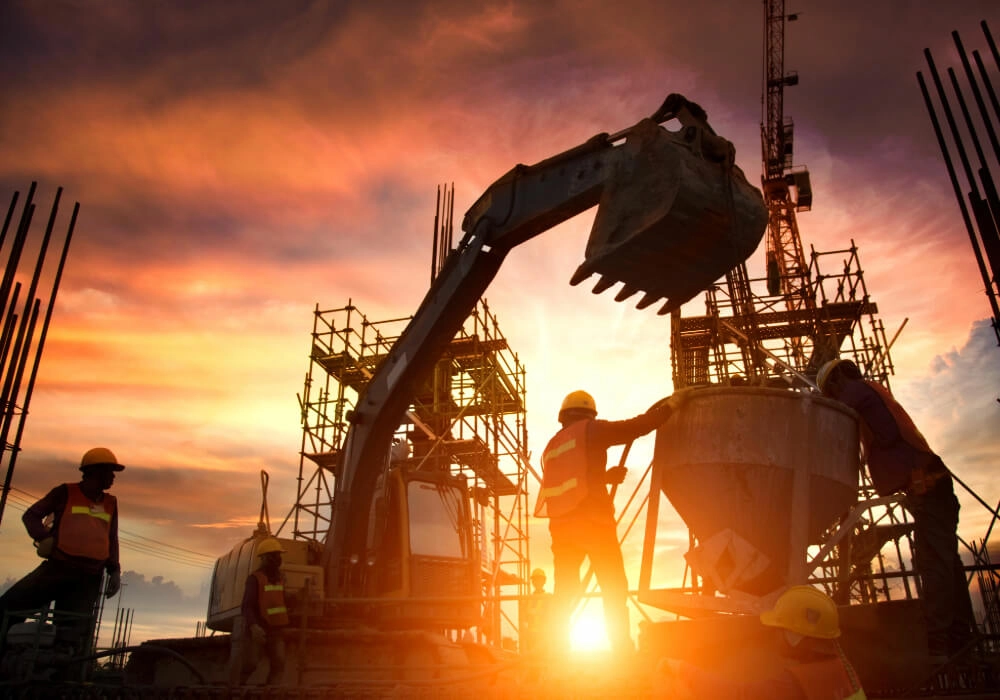
US construction jobsites are among the highest-risk work environments where accidents and injuries can occur with little warning. To reduce these risks, the Occupational Safety and Health Administration (OSHA) has established regulatory compliance standards that contractors must follow.
In 2024, fall protection - part of the "personal protective equipment (PPE)" umbrella - ranked number one in OSHA's 10 top violations, followed by respiratory protection and eye-face protection. Failing to address these violations can result in daily fines of $16,550 and as much as $165,000+ for repeated offenses.
Construction jobsite managers overseeing numerous work zones on tight budgets simply cannot afford these expensive penalties. Yet many still rely on traditional monitoring methods (like manual spot checks and spreadsheets) to track safety issues, leaving gaps in compliance oversight and often missing problems until it's too late to prevent them.
AI-video analytics for PPE, fire, and smoke detection are changing how construction professionals maintain jobsite safety and stay compliant with regulations. Machine learning and sophisticated smart detection systems catch non-compliance issues early and generate audit-ready documentation instantly.
If you're interested in learning more about how AI-video analytics for PPE, fire, and smoke detection ensure workplace safety and compliance, this article covers exactly that and more.
Why Traditional Detection Systems No Longer Serve the Construction Sector
Traditional safety monitoring systems create more problems than they solve, leaving construction managers open to hefty fines and reactive safety management.
Vendor sprawl
Construction managers often work with 5-8 different monitoring platforms for surveillance, environmental monitoring, PPE tracking, incident reporting, and compliance documentation. Each vendor requires different logins, generates siloed reports, and functions without integration.
When incidents occur, you're often left scrambling to piece together information from disjointed systems. Did the PPE violation happen before or after the security breach? Was that actual smoke or just construction dust that triggered the fire detector? Traditional systems can't answer these questions because they don't communicate with each other.
This vendor sprawl leads to project managers wasting hours manually correlating data from different platforms instead of focusing on actual construction jobsite safety protocols and compliance oversight.
Lack of real-time visibility
Traditional detection systems lean on manual site visits, which can delay incident reporting and response. For managers supervising multiple jobsites, this creates blind spots where workers may work without the proper PPE gear or continue operations during potential fire hazards.
Here are a couple of examples of what a lack of real-time visibility can cost:
-
PPE: OSHA violation penalties for serious PPE breaches can cost $16,000 per incident, with repeated violations reaching over $160,000.
-
Fire: According to reports, an estimated 4,800 construction jobsite fires cause $35 million in property damage annually. These hazards can cause injuries, toxic gas inhalation, and fatalities, as well as significantly disrupt operations and increase insurance premiums.
Basic fire detection systems/smoke detectors can only do so much. Firstly, they react too slowly in emergencies. Secondly, they struggle to function properly in harsh construction environments, often generating false alarms by reacting to activities such as welding or dust.
Without real-time visibility, managers are left guessing whether alerts are valid, which increases the risk of missing a genuine threat.
Stakeholder demands
Stakeholders, insurance companies, and regulatory agencies (OSHA, EPA) require real-time safety protocols and audit trails throughout every construction project. Traditional PPE and fire safety systems generate basic reports that fall short of stakeholders' expectations.
When something happens, stakeholders want answers. The frequent stress of scrambling to pull together compliance trails from multiple platforms leads to reactive management rather than proactive leadership. This in itself can harm your professional reputation and cause those higher up the corporate ladder to lose trust in your abilities.
Read more: The Hidden Costs of Legacy Systems on Modern Construction Jobsites
How WCCTV's PPE, Fire, and Smoke Analytics Work to Ensure Jobsite Safety
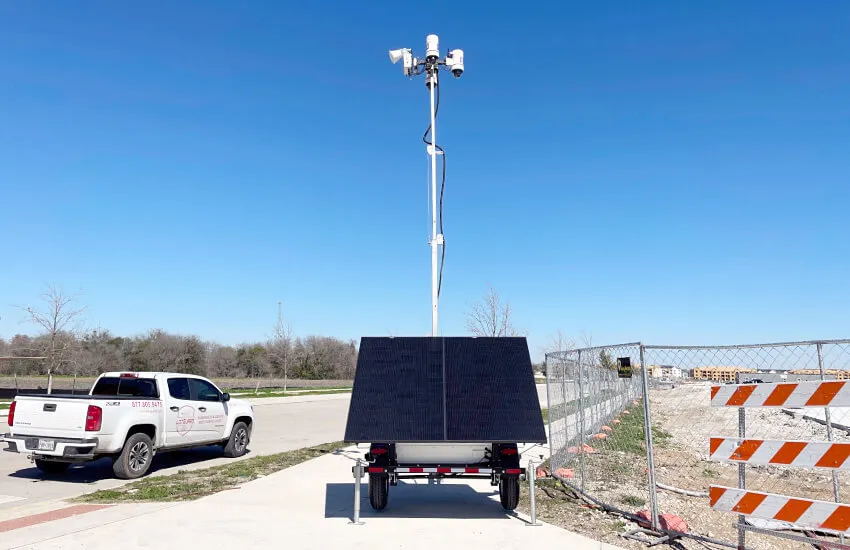
Our Mobile Surveillance Trailers and Pole Cameras, equipped with AI analytics and IoT-based software, support PPE monitoring and smoke/fire detection integrations.
Fitted with PTZ (Pan-Tilt-Zoom) cameras with 40X zoom night vision, they use machine learning and advanced algorithms (trained on historical jobsite data) to continuously monitor jobsites and prevent incidents in real-time.
Here's how they work:
PPE detection and monitoring
According to 2023 statistics, over 2.7 million non-fatal workplace injuries were reported, with head trauma and eye injuries among the most common. Smart PPE monitoring with AI-video analytics could have flagged most of these issues early and mitigated the risk.
How so? Using advanced algorithms, our PPE Detection Systems continuously monitor workers for required safety equipment, including hard hats, safety vests, protective eyewear, and hearing protection. As soon as a worker enters a predefined zone without the right gear, the system quickly:
-
Catches a time-stamped snapshot
-
Notifies jobsite managers in real-time
-
Logs every incident automatically
By only focusing on genuine threats, AI analytics filters out false alarms while providing a complete audit trail for compliance and training. Using this real-time PPE data, jobsite managers can take quick corrective action and have concrete evidence on hand when stakeholders ask for it.
Smoke and fire detection systems
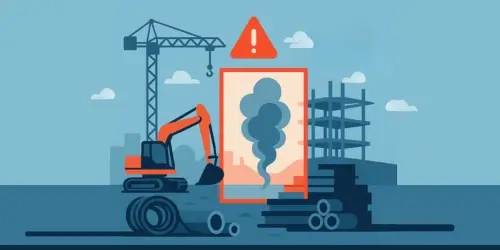
According to the National Fire Protection Association (NFPA), US fire departments respond to 3,000+ construction jobsite fires every year, resulting in around $304 million in property damage.
The issue with basic fire safety equipment and monitoring is that they typically offer "record only" functionality, meaning incidents may not be noticed until hours or days later. This lack of real-time visibility jeopardizes the safety of workers and can result in toxic gas inhalation, injuries, and, in severe cases, fatalities.
Using AI-driven analytics to identify the earliest signs of smoke or flames, our Smoke and Fire Detection systems alert your team before a small issue escalates much faster than traditional fire/smoke detectors. Instead of waiting for heat or smoke particles to reach the sensor, they watch jobsites 24/7 for flickering light and heat signatures that match early-stage smoke or flames, even in large, open, or dusty environments.
When fires threaten your operations, the in-built fire protection system instantly flags them and provides time-stamped reports and surveillance footage through our cloud-based platform, Stellifii. This allows you to verify incidents and ensure safety protocols are promptly followed, while providing a paper trail for investigations and internal audits, all in one place.
Read more: Why Video Analytics Is Best for Smoke and Fire Detection
7 Advantages of AI-Video Analytics for PPE, Fire, and Smoke Detection in US Construction
AI-video analytics for PPE, fire, and smoke provide real-time visibility, automatic compliance, and forward-thinking risk management that significantly enhance safety standards on US construction jobsites.
1. Real-time 24/7 visibility and accountability
For managers supervising multiple jobsites, real-time alerts and live monitoring cut your workload in half because advanced AI-video analytics never sleep. Unlike human inspectors who may experience fatigue, AI systems provide 24/7 oversight across large, complex jobsites, regardless of shift or lighting conditions. This early detection of potential hazards in real-time allows you to take corrective action instantly.
When a worker removes their hard hat in a restricted zone at your Texas jobsite while you're busy with progress reviews in Austin, you receive instant updates and alerts with video evidence. This level of real-time monitoring also gives you solid ground to stand on when confronting workers about missing PPE, reducing awkward conversations and disputes.
2. Enhanced jobsite safety measures
While AI-video analytics for PPE, fire, and smoke prevent safety breaches, they also help improve overall jobsite security and safety compliance. This means no hefty violation fines, no fire-damaged equipment, and no project delays or shutdowns from hazardous incidents that could have been prevented.
On top of this, our intruder detection solutions work alongside PPE and fire monitoring to prevent theft, vandalism, and unauthorized access by filtering out false triggers caused by wildlife or debris. This integrated approach provides 24/7 visibility across every inch of construction work zones in real-time, strengthening your overall jobsite security plan.
Read more: What Does System Integration Really Mean and Why Does It Matter?
3. Quicker reporting and compliance tracking
Live monitoring centers issue instant alerts at the earliest signs of PPE violations, smoke, or flames, allowing for quick intervention before situations escalate into OSHA offenses or tragic accidents.
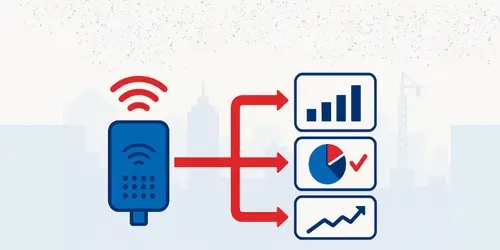
Through Stellifii, audit-ready regulatory compliance documents are generated at the click of a button, eliminating the need for manual tracking or physical jobsite visits. Each alert provides you with:
-
Footage from the nearest surveillance camera
-
A precise timestamp and location
-
The corresponding event log
Read more: The Rise of Smart Construction Jobsites: How Tech Is Transforming the Industry
4. Predictable outcomes
Sensors for PPE, fire, and smoke warn project managers about potential issues before they escalate into bigger problems that can derail projects and lead to project overruns. These early warnings help you nip problems in the bud while ensuring more predictable schedules and improving operational efficiency.
Pattern analytics, through advanced AI, show when workers violate PPE or fire safety regulation standards. They also highlight which work zones experience fire hazards more often, allowing you to intervene early, assign resources efficiently, and make informed decisions based on actual jobsite data.
5. Proactive leadership
Smart detection systems demonstrate due diligence and boost confidence with stakeholders and clients by showing that you're managing jobsites and preventing risks responsibly. Taking this initiative strengthens your reputation as a safety-focused leader who stays one step ahead of probable issues.
When stakeholders, insurance providers, and/or EPA inspectors request accurate monitoring documentation, you can easily pull data and continuous monitoring logs via Stellifii in just a few clicks instead of bouncing between tools and spreadsheets.
6. Measurable ROI
When you're not scrambling to pull reports and have the evidence to back up incidents, the financial impact becomes clear, leading to a better Return on Investment (ROI) that stakeholders can't argue with. In fact, construction companies using AI-enhanced PPE compliance solutions have experienced a near-90% reduction in manual tasks and significant reductions in injury rates.
Comprehensive incident reports also support insurance claim processing and help settle disputes quickly, which further cuts admin costs and protects your bottom line.
7. Cost-effective surveillance
One of the main benefits of mobile surveillance is that it can reduce your monitoring costs by up to 88% compared to traditional methods while providing exceptional coverage and consistency. Robust systems for PPE, smoke, and fire operate day-to-night without breaks, sick days, vacations, or shift changes that could create compliance gaps.
Streamlining all monitoring and surveillance into a unified platform like Stellifii eliminates the need for separate systems, reducing vendor sprawl while simplifying compliance reporting.
Strengthen Jobsite Safety With AI-Video Analytics Today
Construction managers can maintain jobsite safety and compliance in the US with AI-video analytics for PPE, fire, and smoke detection.
Using advanced IoT software and machine learning, these systems "teach" surveillance cameras to analyze and interpret footage on construction jobsites. When workers enter restricted zones without proper protective gear, the system immediately alerts managers and provides time-stamped logs to verify each incident.
Offering real-time visibility, faster intervention, and automated compliance reporting, AI-video analytics are the future of construction security.
Don't wait for PPE compliance slips or fire hazards to impact your next project. Contact us to see how our smart detection systems, powered by Stellifii, can help protect your workers and business.