Successful construction companies build safety cultures where everyone on the project, from the site manager to the newest crew member, takes care of themselves, their equipment, and those around them.
A jobsite safety culture means safety is a core value that guides how everyone performs their tasks, every day. This isn't achieved through rules and inspections alone, but goes deeper, requiring consistent hard work.
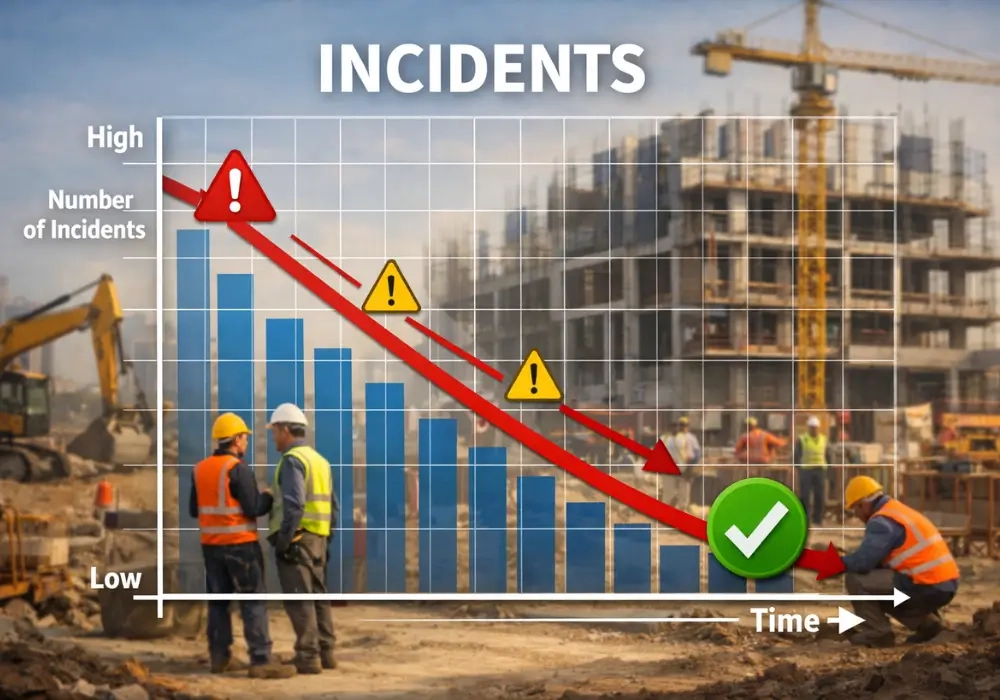
When safety best practices become second nature across your workforce, potential risks get flagged sooner and more often, driving down incidents and injuries.
In this article, we explore how moving from “tick-box” safety to active, visible oversight and real-time interventions with the help of technology solutions improves your company's safety culture and consistently reduces incidents.
The Limitations of Traditional Workplace Safety Processes
Safety programs built around manual tracking and periodic inspections often devolve into box-checking routines and don't translate into genuinely safer behavior on the ground.
Consider the shortcomings of this approach:
- Irregular inspections: Many managers oversee multiple sites, traveling between them to check on the job. Long periods between inspections create blind spots where unsafe behaviors and conditions go undetected and undocumented. This is why it's impossible for supervisors to monitor PPE compliance or CO₂ levels continually.
- Lack of visible oversight: When there is no supervisor present to manage and provide oversight and guidance, natural human errors tend to creep in. This explains in part why the Occupational Safety and Health Administration (OSHA) issues thousands of PPE violations every year.
- Inconsistency: Enforcement varies widely between teams and individuals. When one shift faces strict enforcement while another gets a pass, or when certain contractors face consequences while others don't, workers end up confused about what the real expectations actually are.
- Cynicism with the process: If construction workers view safety measures and inspections as paperwork exercises rather than genuine risk management, they may not take the process very seriously.
If they feel they're being burdened with unnecessary paperwork, they stop bothering to report incidents and near misses. Valuable information that could help prevent future accidents is not captured, which only adds to the risk.
Read more: The Hidden Costs of Legacy Systems on Modern Construction Jobsites
Positive Enforcement: The Key Driver of Construction Industry Safety
Responsible construction companies have clear policies, set rules, and regular safety training. However, these elements alone don't create a safe working environment.
Enforcing rules and reinforcing training are critical to limiting workplace accidents and driving compliance. How do safety professionals do this in a positive, constructive way?
Some best practices include the following:
- Visible monitoring that doesn't feel like policing.
- Continual oversight to close compliance gaps, ensuring no valuable data is missed.
- Proactive management, meaning preventing accidents rather than merely recording them.
- Quick feedback and reinforcement rather than delayed disciplinary actions.
The table breaks down how consistent visibility, clear expectation management, and real-time feedback encourage good behaviors and reduce incidents, moving the company toward a stronger safety culture.
|
|
Strong culture |
Weak culture |
|
Proactive visibility vs. reactive checks |
Leaders and technology systems monitor safety risks continually, spotting hazards early and launching rapid corrective actions. |
Inspections are infrequent, and hazards are overlooked until they cause a significant problem. |
|
Positive reinforcement vs. heavy‑handed policing |
Workers are recognized for safe behaviors, rewarded for reporting near‑misses, and encouraged to take ownership of safety. |
Rules are enforced through punishment and blame, leading to underreporting and disengagement. |
|
Real‑time feedback vs. delayed responses |
Immediate coaching and corrective guidance are provided, reinforcing safe practices on the job. |
Feedback comes long after incidents or safety audits, and timely corrections are missed. |
|
Continual oversight vs. inconsistent enforcement |
Safety standards are applied consistently across all teams and shifts, with managers leading the way by taking accountability. |
Enforcement varies depending on who is supervising, causing confusion and mistrust. |
How Technology Helps Managers Ensure Safety on Jobsites
According to a JJ Keller 2025 study, only around half of US construction industry leaders are even somewhat confident that their workplaces are safe and compliant, and 54% say consistent PPE use is an ongoing challenge.
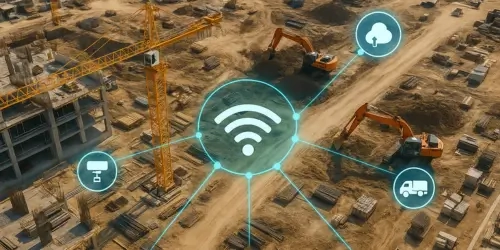
As mentioned, manual management leaves gaps and blind spots, and incidents aren't caught in time. Modern technology helps to close these gaps, allowing managers to mitigate risks the moment they arise.
Smart digital tools provide near-360° visibility into potential hazards across projects, including PPE non-compliance. PPE Monitoring systems use AI-video analytics to quickly flag workers not wearing the required safety equipment. Instant notification allows managers to address the situation in seconds, not hours.
All incidents are logged through Stellifii, our centralized, cloud-based management platform that provides objective evidence (a timestamped image) to reference when you sit down with an employee to discuss what happened.
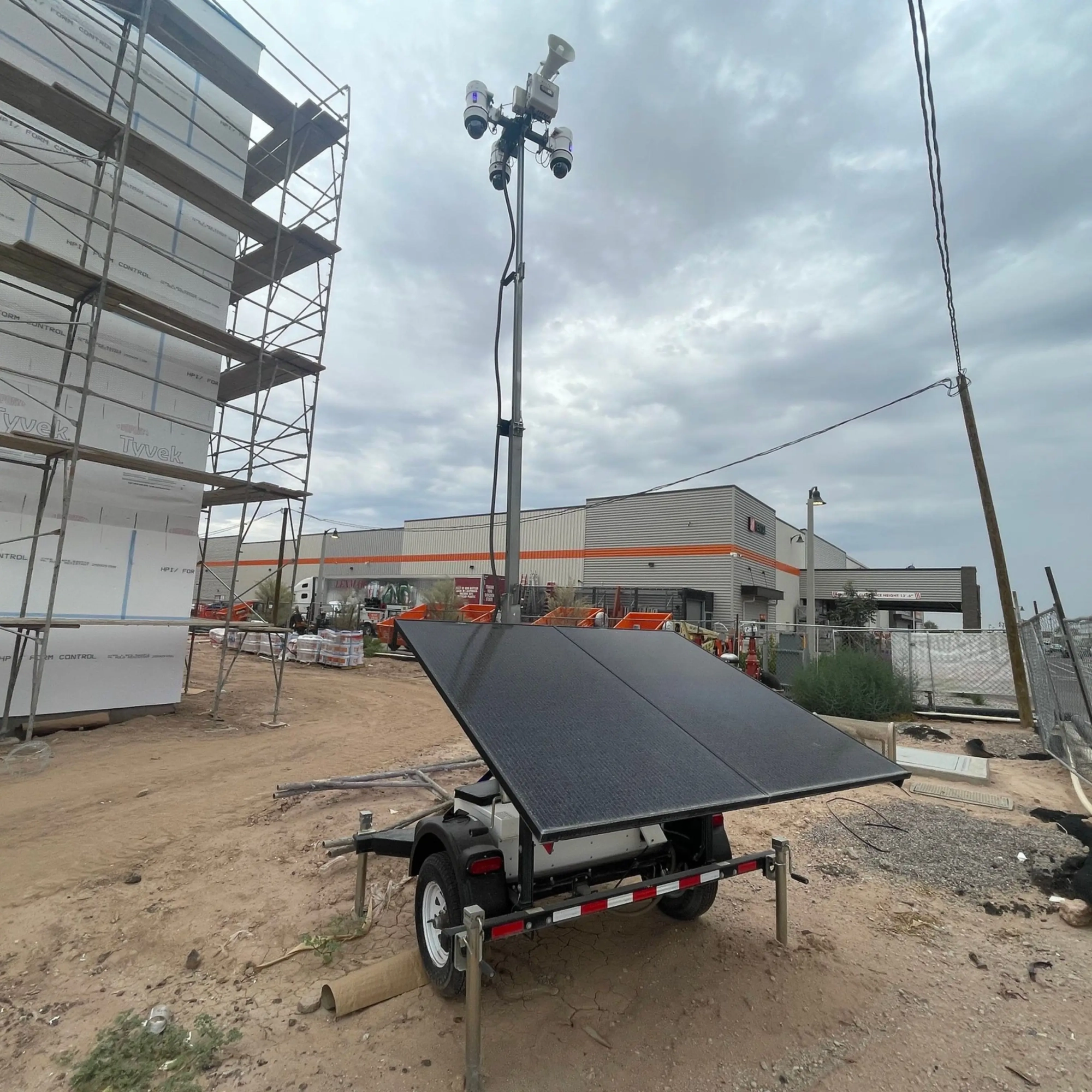
WCCTV offers fully-managed surveillance and monitoring solutions, including Mobile Surveillance Trailers, smart detection systems (fire, PPE, intrusion), Environmental Monitoring, and jobsite security solutions.
Here's a closer look at how each of these options can strengthen safety and compliance at your jobsite.
Smart Detection Systems
- Our Smoke and Fire Detection tools recognize the warning signs of fire and issue immediate alerts. They usually react faster than traditional fire alarms, protecting construction workers in line with the Occupational Safety and Health Act requirement that employers provide a safe workplace, free of recognized hazards (like fires) to all employees.
- Intrusion Detection systems prevent unauthorized access that could lead to untrained people being in high-risk areas. It also defends against theft, vandalism, trespassing, and other suspicious activities.
Smart detection tools run through Stellifii and our surveillance solutions, where automated alerts and dashboard data keep managers fully attuned to developing risks. As with PPE, detailed records of all incidents and reactions are kept to prove compliance to inspectors and auditors.
Read more: How AI-Video Analytics for PPE, Fire, and Smoke Detection Ensures Jobsite Safety
IoT-based Environmental Monitoring
Automated monitoring of environmental conditions safeguards your crew from heat exposure, airborne pollutants, and excessive noise.
Key components of IoT tracking include:
- Weather Monitoring Stations: High winds, rising temperatures, and rain make crane operations, excavation, and electrical work dangerous. These stations give early warnings of weather changes so that you can bring in safety gear and adjust work schedules (e.g., as a storm approaches).
- Air Quality Sensors: Real-time sensors track dust and particulate matter (PM1, PM2, PM10), CO₂, and VOCs. They trigger immediate alerts if pollutant thresholds or safety limits are breached.
- Noise Monitoring Sensors: Devices continuously monitor (across 30-130 Decibels and 20Hz to 12.5kHz frequency) to help manage excessive noise levels and avoid harming workers' hearing and community relations.
Our Stellifii platform collates critical data (e.g., noise, air quality, weather, or all these, if required) into its unified dashboard. This provides managers with a complete overview of environmental conditions across all sites so that they can initiate safety actions/emergency protocols from wherever they are.
Timestamped records are retained to show your safety practices and due diligence to inspectors.
Read more: Air Quality Data Management: Turning Sensor Data Into Actionable Insights for Jobsites
Security and Vehicle Access
Jobsite security is closely tied to safety in modern integrated systems, where sensors, surveillance, safety, and compliance tools are all combined in one place, enabling laser-focused management
- Our Security Systems employ AI analytics to identify threats and defend your jobsite from breaches and theft. Cameras deployed on surveillance trailers, pole mountings, or temporary cameras are supported by Live Video Monitoring, enabling immediate voice challenges to chase off intruders.
- License Plate Recognition (LPR) tracks and logs all vehicles entering and exiting jobsites. Accurate readings of speed and distance using AI-assisted imaging help to enforce safer driving across work zones.
- Time Lapse Videos condense building progress into a short, snappy video. These are sometimes used in safety/security reviews and for keeping crews motivated by showing them how much they've accomplished.
Read more: Why Smart Surveillance Systems Are the Future of Business Security
What Does a Healthy Safety Culture Look Like?
In a healthy safety culture, employees across all levels understand how they can improve safety in their environments. They are vigilant about risks, feel safe raising concerns, and respond positively to feedback.
The following indicators show that you are moving toward an engaged, positive culture:
-
Managers coach and support safe behaviors, offering feedback immediately after an incident (e.g., dangerous driving). This builds trust and encourages workers to take ownership of safety as opposed to complying out of fear.
-
Potential hazards are identified and addressed immediately. Early detection of threats and swift intervention prevent minor incidents from escalating into costly damages.
-
Workers feel comfortable reporting hazards, safety concerns, and near misses without fear of blame. Openness helps to reveal hidden risks and enables faster remedial actions.
-
Safety incidents are treated as learning opportunities (not punishment rituals). This approach reinforces safety lessons and encourages continual improvement.
-
Accountability is fair and consistent across all roles and teams. Clear expectations and straight, helpful feedback mean standards are applied consistently; the crew always knows where and how they can improve.
-
Objective, real-time data replaces subjective reports. Accurate data eliminates disputes about whose information is right. It provides actionable insights to drive safety performance and effective compliance.
-
Records demonstrate continuous compliance and due diligence. Timestamped evidence supports regulatory inspections (OSHA, EPA agencies, local inspectors) and investigations (insurers, law enforcement, lawyers). Keeping these parties happy limits costly claims and liabilities.
How to Strengthen Construction Site Safety
Every company's safety plan is different based on the organization's goals, risk assessments, projects, workforce, and specific challenges. That said, effective strategies tend to share common elements: strong oversight, effective communication, worker involvement, and performance measurement.
Here are 7 action steps to embed employee safety at the center of every activity across your projects:
- Lead by example
A strong safety culture starts at the top. When directors and managers wear proper PPE and follow site rules, the crew sees that their leaders are "walking the talk". That visible commitment establishes expectations for the entire organization.
- Define accountability
Define clear roles and accountability, and hold everyone on site, from project managers to new hires, responsible for compliance. Transparent reporting systems and automated logs help to manage accountability; just be sure to enforce standards consistently across all levels without favoritism or fear.
- Training and communication
Clearly communicate all policies, procedures, and expectations. Run regular training sessions (including site-specific training) to reinforce safety protocols, ensuring the crew is always up-to-date on jobsite hazards and how to handle them.
If you're introducing technology to improve safety compliance, get staff buy-in early. Provide training to overcome fears about "new systems," explaining the direct benefit to their job (e.g., less manual logging, better compliance support).
- Empower and grant ownership
Encourage the crew to participate actively in safety initiatives and invite their feedback to improve conditions. Involving and listening to employees' suggestions makes workers feel valued, building trust and a sense of ownership.
Encourage (or even incentivize) staff to identify and report hazards or unsafe behaviors without fear of repercussions.
- Utilize smart technology
Use modern tools that grant near-complete jobsite visibility and oversight. IoT sensors and AI-powered cameras connected to real‑time dashboards track air quality, noise, PPE compliance, fire risks, and weather conditions around the clock.
These systems automate reporting, giving managers confidence that all threats are identified and tackled promptly.
- Prioritize performance
Treat safety metrics as core business indicators, such as safety performance in daily activities and project reviews. When safety performance is seen as important as operations and finances, site owners show that protecting construction workers is non-negotiable and central to project and company success.
- Review continually
Establishing a culture that values and prioritizes safety doesn’t happen overnight. It isn't a once-off exercise either, so commit to ongoing reviews, refining, and continuous improvements. The objective is a safety culture that remains relevant and that people actually live out in their daily work, not just a set of policies collecting dust in a binder somewhere.
Read more: Top Strategies for Ensuring Jobsite Safety
Start Building Your Best Safety Culture Today
Smart systems, active visibility, and healthy support turn safety from enforcement into a shared responsibility where every incident is one too many.
A strong safety culture supports smoother operations and enhances the company's reputation. Organizations with good safety records also enjoy the trust of clients/potential clients, regulators, insurers, employees, and other stakeholders.
Our surveillance and monitoring systems help US safety professionals build this profoundly safer environment. To experience how our tech solutions can benefit your company, contact us, and we'll help you identify the right solution for your next project.