On high-pressure construction projects, workers often overlook safety protocols to speed up processes, leading to more accidents and higher insurance claims.
When overseeing several projects, safety leaders need a smarter system than spreadsheet reporting and physical spot checks.
Smart jobsite monitoring is the solution.
Intelligent systems use AI-powered cameras and automated reporting to provide real-time visibility across multiple working locations, without the need for physical site presence.
These tools help safety leaders catch issues early, preventing claims before they happen. Proactive 24/7 oversight and timestamped evidence of proper protocols build safer workplaces and trust with regulators and insurers.
This article explains how automated monitoring and reliable safety records prevent incidents and reduce insurance expenses in the construction industry.
What is Smart Monitoring in the Construction Industry?
Smart monitoring is an intelligent system that monitors compliance and safety risks "live" from a central platform. AI-powered tools continuously analyze data streams from smart cameras, IoT-based sensors, and edge devices.
Systems pinpoint potential hazards, including missing PPE/fall protection, noise violations, and unauthorized access. They issue real-time alerts, enabling a faster response compared to traditional monitoring methods.
Our cloud-based monitoring platform, Stellifii, is a leading example of a smart monitoring solution. It consolidates all safety, environmental, and security data into the platform's unified cloud interface. Safety leaders can access live data via mobile apps, enabling better safety management across multiple sites.
With end-to-end AES256 encryption and NDAA-compliant components (for use on federal contracts), project data is securely stored in Stellifii, reducing the risk of cyber breaches.
Key features of intelligent monitoring platforms include:
- Automated data capture and reporting: A smart system automatically tracks and reports on safety hazards and environmental conditions. It upgrades workplace safety by moving away from slow, error-prone human checks and manual data collection.
- AI-powered analytics: Live monitoring uses machine learning and AI-video analytics to analyze and document jobsite activities in real-time. AI tools distinguish safety/security breaches (e.g., fires, trespassing) from false alarms and raise near-instant alarms.
- Unified information and records: Cloud platforms, like Stellifii, consolidate all site data into a single interface, providing remote visibility into events as they happen. Unified dashboards with actionable insights allow for faster decision-making when it matters most. Timestamped documentation is stored securely so you can pull detailed reports with a few clicks.
Read more: The Rise of Smart Construction Jobsites: How Tech Is Transforming the Industry
Jobsite Monitoring: Smart Tracking vs Manual Methods
Let's take a quick look at how smart jobsite monitoring compares to traditional methods in construction:
|
|
Real-time smart monitoring (with cloud technology) |
Traditional monitoring |
|
Safety outcomes |
Proactive risk management spots threats early, helping to prevent incidents and accidents. |
A reactive approach records incidents rather than prevents them. Emergency responses are often too slow to prevent harm. |
|
Scalability |
Cloud infrastructure allows you to scale oversight easily as you take on more projects. |
Scaling is limited without a cloud platform built to expand easily. |
|
Data access and quality |
Desktop and mobile apps provide real-time visibility for managers and authorized workers anywhere, enhancing communication between teams. Remote access to centralized data and real-time video helps leaders control multiple jobsites without being physically present. |
Access is limited to physical records or dependent on often delayed reports. Data is fragmented, subjective (open to dispute), often paper-based, and full of gaps. |
|
Strong, automated records of safety and compliance documentation (including timestamped video) ensure you're always audit-ready. |
Weaker audit trails, manual records with gaps and errors, leave you scrambling to meet audit and regulatory requirements. |
|
|
ROI |
ROI gains are possible through fewer incidents, consolidated systems, lower insurance premiums, and increased productivity. |
ROI is usually lower due to higher incident costs and insurance claims, inefficient systems, and slower reporting. |
How Smart Jobsite Monitoring Reduces Incident Rates
Real-time monitoring detects potential hazards before they become major incidents. All events are logged in our Stellifii platform, where predictive insights help you continuously improve jobsite safety.
Here's how smart tracking allows safety leaders to stay ahead of common jobsite hazards.
Fall incidents
Falls are a leading cause of construction accidents. In 2023, 421 out of 1,075 fatalities (39.2%) were due to falls, slips, and trips.
While safety training helps reduce these risks, even trained crews sometimes take shortcuts. Manual inspections aren't enough to ensure fall protection equipment, like guardrails and harnesses, is consistently in place.
How smart monitoring reduces fall incidents:
AI-driven visual scanning detects when crew members are working at heights without proper fall protection and issues instant alerts to initiate corrective steps.
Fire dangers
There are more than 4,400 jobsite fires in the US every year, putting workers at risk and causing costly delays and damage. Because fires can ignite and spread in a matter of minutes, they demand a fast, effective response.
How smart oversight reduces fire incidents:
Our Smoke and Fire Detection solutions with AI-video analytics detect heat signatures and the early signs of smoke/flames the moment they occur. This smart detection solution typically responds faster and pinpoints the fire source more accurately, often long before basic heat/smoke detectors even react.
When a fire is detected, the system sends an immediate alert to construction managers and response crews, enabling them to take action quickly. Historical data-driven insights highlight recurring trends (e.g., unsafe hot work) to guide tighter safety protocols and limit future incidents.
Read more: The Benefits of Smoke and Fire Video Analytic Detection on Jobsites
PPE incidents
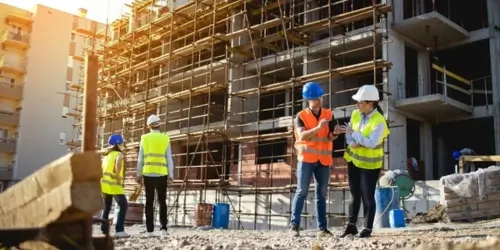
OSHA's PPE standards require the use of appropriate protective equipment, such as hard hats, high-visibility vests, safety footwear, eye protection, and face masks on jobsites. Despite clear expectations, more than half of construction leaders say inconsistent PPE use is an ongoing challenge.
How new technology reduces PPE gaps:
Our PPE Detection and Monitoring system constantly scans jobsites for PPE use. It detects non-compliance in real-time, allowing you to intervene swiftly. Corrective actions include live audio warnings to crew members not wearing safety gear when they should be.
Struck-by and dangerous driving incidents
Stuck-by incidents (e.g., workers struck by machinery or falling objects) are another leading cause of injuries in the construction sector. Heavy machinery, constant vehicle movement, power tools/equipment, and overhead work pose a constant threat to site safety.
How smart tracking reduces incidents:
- License Plate Recognition (LPR) tracks and logs all vehicles entering and exiting the jobsite. Accurate readings of speed and distance help to enforce safer driving across all facilities, whether temporary or more permanent (head office, storage yards).
- PPE monitoring: Safety measures to limit struck-by injuries include enforcing proper personal protective equipment. Think helmets and safety boots. PPE monitoring ensures that protective gear is always used where required.
Airborne hazards
Airborne hazards, including dust, gases, and silica, cause health issues, ranging from severe headaches to long-term lung damage. These dangers can be reduced when the proper controls are in place.
How smart environmental monitoring cuts air pollutants:
Air Quality Monitoring Systems measure air pollutants and gases using IoT-equipped sensors. Smart devices detect the following more quickly than human senses or manual inspections:
- Dust and fine particulate matter (PM1, PM2, PM10)
- Chemical fumes
- Volatile organic compounds (VOCs)
- Carbon dioxide (CO₂)
- Carbon monoxide (CO)
The system alerts workers and managers if contaminants approach regulatory thresholds. This instant notification allows supervisors to introduce PPE or pause/adjust work schedules until the hazard is removed or under control.
Read more: Air Quality Data Management: Turning Sensor Data Into Actionable Insights for Jobsites
Heat-related incidents
Construction work is physically demanding, and heat exposure, especially in hot States, can cause exhaustion, dehydration, heat stroke, and related illnesses. It also compromises workers' judgment and abilities, increasing the likelihood of negligence and accidents.
How smart monitoring reduces heat-related incidents:
Our Weather Monitoring stations track extreme temperatures and humidity (and other dangerous conditions like winds, rainfall, and storms). They monitor risks in real-time and send automated alerts to supervisors when conditions are unsafe. Systems can even trigger heat safety protocols (hydration breaks, rest periods, temporary work stoppages) to protect your crew and reduce incidents.
Noise incidents
Construction firms must monitor and control jobsite noise levels regularly to protect their crews. They must also ensure the surrounding community isn't unreasonably impacted by construction noise, which is considered a public health hazard.
OSHA safety regulations (1926.52) set noise limits that workers can legally be exposed to. The purpose is to prevent health risks to workers, including temporary deafness, tinnitus, and long-term hearing loss.
How real-time noise monitoring can help:
Noise Monitoring sensors continuously measure sound levels (30-130 dB) and frequencies (20Hz to 12.5kHz), sending instant alerts when thresholds are exceeded. This allows site safety and project managers to act quickly, reducing the risk of worker hearing damage and minimizing community complaints.
Site security threats
Theft and vandalism cost the construction industry over $1 billion annually. Protecting valuable equipment, metals, copper, materials, and tools is a challenge without proactive jobsite security.
Construction companies that invest in strong security and access controls experience fewer losses, injuries, and other incidents than firms with weaker vigilance.
How smart security monitoring reduces incidents:
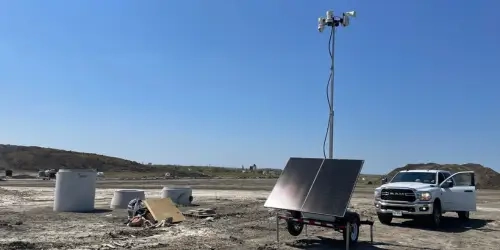
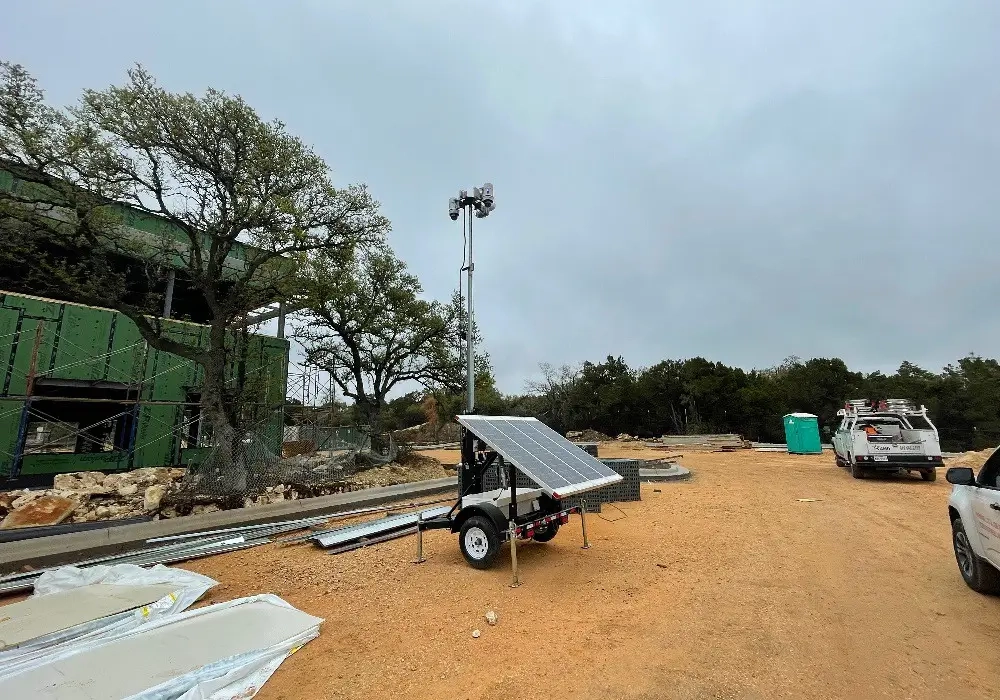
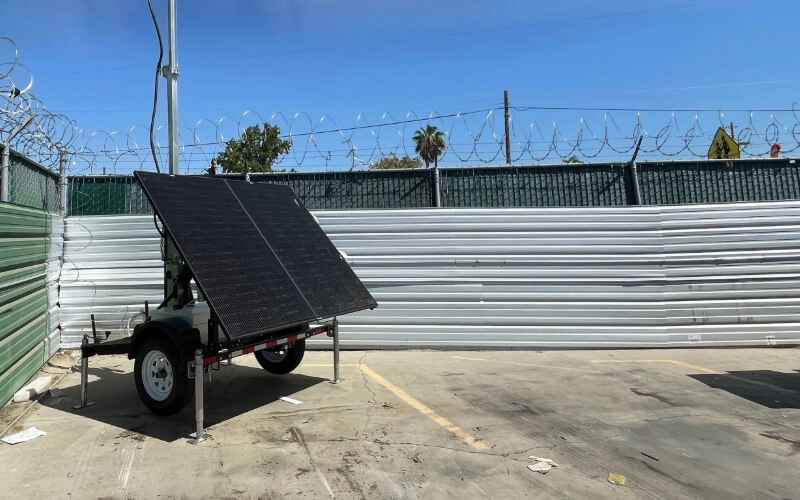
- Security Systems use AI-video surveillance to identify threats and protect your site against breaches and theft 24/7. Generally deployed as Mobile Solar Trailers and/or Pole Cameras, our surveillance setups connect to a Live Video Monitoring center where security professionals are standing by to challenge intruders via audio voice downs, blue-light, and siren warnings.
- Intrusion Detection with AI analytics linked to Stellifii delivers the actionable insights you need to strengthen security and theft prevention. Intelligent scanning is also used to spot workers in areas where they're not authorized to be.
- Additional service: Time Lapse Videos create a short visual record of how your project develops. It's ideal for reporting updates and internal communications.
Read more:
How Smart Monitoring Cuts Insurance Costs on Jobsites
Construction projects carry several types of insurance to protect themselves financially from a range of risks. Your company's insurance portfolio might include general builder's risk, workers' compensation, and subcontractor default insurance.
Construction firms with strong safety records generally submit fewer insurance claims and are viewed by providers as lower-risk clients. Insurers grant them favorable (lower) Experience Modification Rates (EMR), which usually means lower premiums and better terms.
Let's look at common policy types and how smart monitoring lowers costs.
Builder’s Risk Insurance
A builder's risk policy covers damage to buildings under construction from events such as:
- Fire
- Explosions
- Natural disasters (storms, lightning, winds)
- Theft and vandalism
How smart monitoring helps: Intelligent cameras and sensors spot fire hazards and unauthorized entry early. Weather monitoring stations track changing conditions in real-time, enabling work adjustments to mitigate dangers and limit claims.
General Liability Insurance
General liability insurance protects against third-party claims and lawsuits for injury or property damage.
How smart oversight helps: AI-powered cameras and 24/7 alerts help to create a safer environment for everyone on site. Continuous oversight prevents accidents and lowers incident rates and liability claims.
Workers’ Compensation Insurance
Workers’ compensation insurance provides medical and wage benefits to employees injured at work. It’s a legal requirement in most States and protects both workers and employers.
How smart monitoring helps: Tracking PPE use, unsafe operations, reckless driving, unauthorized workers in restricted zones, and fire dangers reduces incidents. This lowers injury rates and payouts, and ultimately workers' comp premiums.
Commercial Auto Insurance
Auto insurance insures jobsite vehicles, trucks, and heavy equipment against accidents and damage.
How smart monitoring helps: Using LPR data to track unsafe vehicle use improves driver behavior (speeding, harsh braking). Consistent visible enforcement encourages safer driving and operations, preventing accidents and lowering premiums.
Pollution Liability Insurance
Pollution liability insures against claims from environmental damage, such as spills and toxic emissions. It isn’t necessary for every project, but firms working with lots of hazardous materials and on sensitive sites often take this cover.
How smart oversight helps: IoT sensors detect leaks or emissions, allowing quick responses to limit hazards and claims.
Subcontractor Default Insurance
More common on large projects, subcontractor default insurance covers losses if a subcontractor fails to complete work or meet their obligations.
How smart monitoring helps: Smart oversight of project risks pinpoints subcontractor performance issues early. Proactive intervention can correct safety failures before they compromise delivery and lead to defaults.
Invest in Smarter Jobsite Monitoring Today
Continuous data tracking across all building projects allows safety and site managers to address risks before they become serious problems. With fewer incidents and policy claims, meaningful insurance savings become a real possibility.
On top of that, evidence-backed safety documentation is maintained and always available within the smart platform. Instead of scrambling to piece together information for insurers and regulators, you can pull detailed reports within a few clicks.
Connect with us today to discover how the successful deployment of smart monitoring strengthens workplace safety while reducing insurance costs.