Firms in the construction industry face a complex web of environmental, safety, and operational regulations, and are expected to stay compliant at every stage of building projects.
Failure to comply, regardless of the reason, can lead to serious consequences: costly penalties, project delays, legal complications, and reputational damage. Even worse, it can put workers in dangerous situations and strain relationships with clients.
Because of these risks, it’s vital to understand how and why compliance failures happen in the first place and what steps you can take to prevent them.
This article breaks down 5 of the most common construction jobsite compliance failures and the key lessons we've learnt along the way.
The Cost and Consequences of Non-Compliance on US Jobsites
Non-compliance in the US construction industry carries real costs and consequences. Even a single violation can create a chain reaction that slows down progress and increases risk across the jobsite.
Construction firms can expect any of these consequences when compliance slips:
-
Financial penalties: Failure to comply with OSHA regulations can cost $16,131 per serious or other-than-serious violation, while willful violations can exceed $160,000 per incident. There are also additional OSHA fines for not fixing the issue before the given deadline.
-
Project delays and stop-work orders: When it comes to serious violations, OSHA inspectors can pause or even suspend construction projects until they confirm/verify an incident. Even the shortest delay can affect your business operations and increase labor and equipment costs.
-
Claims and legal exposure: You can be hit with legal claims and criminal charges if you fail to adhere to compliance standards. In one case, a US contractor was cited for neglecting OSHA standards for failing to provide fall protection and training after an employee fell more than 50 feet and died.
-
Damaged client and community relationships: Violating jobsite safety requirements may lead to reputational damage, potentially harming future business opportunities and straining relationships with partners and subcontractors.
-
Higher worker risk: Compliance violations can put your workers at risk. This includes not providing appropriate personal protective equipment (PPE) and a lack of employee training programs on safety protocols. The US construction industry had the highest number of fatalities in 2023, with 1,075 deaths, making strong job safety practices incredibly important.
5 Common Compliance Failures on US Jobsites
Compliance problems on construction jobsites are more common than compliance managers expect. With so many activities and teams operating on jobsites, it only takes one lapse to trigger serious issues.
Take a look at the 5 most common compliance failures that occur at jobsites and the risks that follow them, so you can put proper safeguards in place.
1. Poor PPE compliance
Failure to ensure that construction workers follow PPE requirements is a frequent issue on US jobsites. Workers may enter active areas without the proper face protection, safety gloves, hard hats, and other equipment, which exposes them to potential hazards.
Non-compliance increases the following risks:
-
Higher chance of safety incidents like injuries or fatalities.
-
Fines and legal liability due to OSHA violations.
-
Reputational damage for neglecting occupational safety standards.
-
Possible work stoppages or suspensions from regulators.
2. Missing or incomplete audit trails
Safety inspectors (OSHA, EPA, ESG, etc.) expect to see accurate and consistent information when they come around to vet your firm's construction compliance levels. Companies that use manual reporting processes, like foot patrols and spreadsheets, often end up with gaps or inconsistent data. This inadequate documentation makes it harder to prove that you completed the required checks effectively.
This increases the following risks:
-
OSHA citations and substantial fines for missing records or incomplete documentation.
-
Difficulty defending the company/your reputation during audits, investigations, or legal claims.
-
Repeat violations because issues are not tracked or corrected properly.
3. No real-time visibility across jobsites
Construction managers using traditional manual inspection methods spend considerable time bouncing between multiple jobsites to enforce safety standards. Besides being time and resource-intensive, this process makes it difficult to ensure compliance with the necessary regulations.
Without a centralized, real-time monitoring system for tracking safety, smoke/fire hazards, and compliance activities, data becomes fragmented. This makes it challenging to see the full picture across all working zones, risking:
-
Minor infractions and safety issues going unnoticed and escalating into serious incidents.
-
Delayed hazard response increasing the chance of injuries or equipment damage.
-
Limited accountability and difficulty demonstrating compliance during audits or inspections.
Read more: Complete Guide to Construction Jobsite Security
4. Subcontractor oversight gaps
Many compliance issues on construction jobsites are from insufficient subcontractor supervision. When third-party workers are not closely monitored or when their compliance and safety records are not verified, risks increase across your entire jobsite, and you, as the project manager, are legally responsible.
Failure to comply increases the following risks:
-
Safety incidents caused by subcontractor negligence or unsafe behavior.
-
Regulatory fines and legal action, with you held liable for third-party violations.
-
Increased jobsite intrusions, such as metal theft, unauthorized access, and vandalism.
-
Inconsistent safety and compliance standards across different areas of the jobsite.
-
Project delays or quality issues because subcontractors didn't follow the necessary procedures.
5. Lack of employee training and supervision
The industry is dynamic, and as new technologies and building processes appear, so do the safety standards construction professionals must meet. When teams aren’t properly trained or supervised, it becomes harder to keep up with these updates.
This increases the following risks:
-
More on-site accidents due to improper handling of tools and machinery.
-
Higher chances of regulatory violations by untrained construction teams.
-
Legal exposure for the company/main contractor if an incident occurs and there are no training records or monitoring logs.
5 Lessons Learned From These Failures
Compliance managers in the construction industry have one major goal: to keep workers safe while maintaining full compliance across every jobsite.
However, mistakes and failures are bound to happen in such a dynamic and fast-paced environment. Smart companies treat these setbacks as learning opportunities that drive improvements in safety systems and training programs. Each failure provides valuable insights that help prevent similar problems in the future.
Here are the key lessons learned from common compliance failures and practical steps for addressing each problem:
| Compliance failure | Lesson learned | Recommended actions and tools |
| Poor PPE compliance | Reinforce consistent use of PPE and make safety a visible priority on your jobsite. | Deploy smart detection systems for PPE monitoring integrated with surveillance cameras to automatically alert supervisors if workers enter hazardous areas without proper gear. This helps maintain compliance with OSHA and PPE standards. |
| Missing or incomplete audit trails | Automate your compliance reporting, as accurate and complete records are needed to demonstrate compliance and due diligence. | Use a centralized platform, like Stellifii, that consolidates incident logs, inspection reports, environmental data (noise, air, weather), and surveillance footage into a single dashboard.This guarantees accurate audit trails and simplifies regulatory reporting in just a few clicks. |
| No real-time visibility across jobsites | Increase jobsite oversight by adding real-time monitoring systems. This way, you can quickly respond to minor issues before they become major violations. | Implement real-time video surveillance with AI-powered analytics to monitor activity, detect smoke/fire hazards, safety breaches, and generate alerts instantly, enabling rapid response to incidents across all jobsites. |
| Subcontractor oversight gaps | Enhance subcontractor compliance by implementing stricter oversight, clear procedures, and regular safety training. | Use intrusion detection with live video monitoring to monitor unauthorized access; LPR to track vehicles entering/exiting jobsites.Combine these with regular audits and jobsite inspections to maintain accountability. |
| Lack of employee training and supervision | Keep employees up to date on evolving safety standards through continuous training and supervision. | Provide ongoing e-learning and refresher courses and pair them with on-site training and performance reviews to ensure employees understand and follow safety protocols.Time Lapse Video is also recommended to track project progress in real-time. |
Beyond implementing technology and training programs, it’s important to build a culture of proactive compliance. Encourage workers and supervisors to report hazards or near misses immediately. Establish clear lines of accountability, so everyone knows who is responsible for monitoring, reporting, and correcting issues.
Regularly reviewing your compliance data can also highlight trends before they become major problems. For example, if Stellifii reveals that safety incidents always occur in a specific area, this pattern may indicate the need for additional protective measures or revised work processes.
Integrating these lessons into daily routines helps construction firms move from reactive compliance to a preventative one.
Strengthen Compliance on Your Construction Jobsites With WCCTV Today
Construction jobsite compliance failures come with real consequences: fines, delays, legal fees, reputational damage, and increased worker risk. To stay ahead of these challenges, construction firms need reliable, real-time visibility and accurate audit trails across every jobsite.
And that's where our 20-years of experience in jobsite surveillance and compliance makes a real difference.
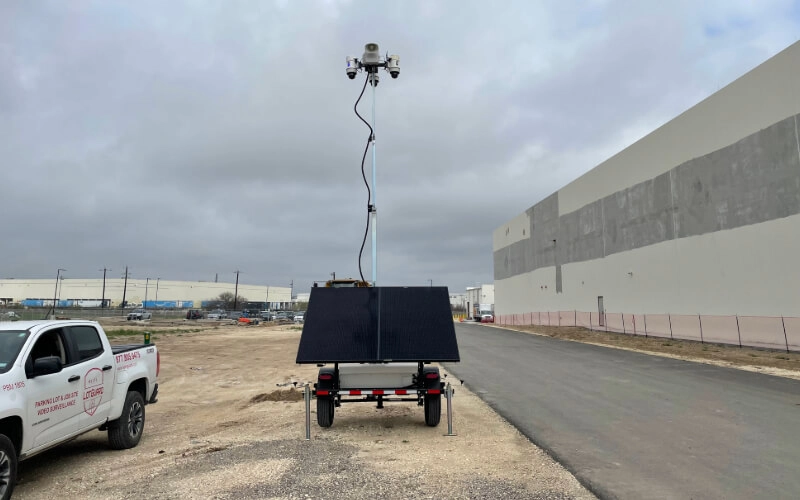
Our plug-and-play Surveillance Trailers and Pole Cameras deploy in under 20-minutes, providing instant visibility across multiple jobsites. They run on solar power for continuous monitoring without interruption, recording and analyzing every jobsite activity through Stellifii for safety and compliance purposes from a single interface.
Whether it's tracking PPE usage, preventing unauthorized access, enforcing safety protocols, or reacting quickly to hazards, we give your construction jobsite the tools to maintain compliance and improve overall safety from day one. Contact our monitoring experts to discuss your needs today.